Erik L. Arneson, Ordained Minister
Reverend Erik is now located at https://arnemancy.com/weddings
You should be redirected momentarily, otherwise click here.
Portland, OR 97242
(541) 291-9776
pymander<at>gmail.com
Professional, Experienced, and Fun
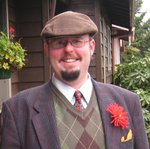
Erik L. Arneson has officiated at over twenty weddings since 2008 as an ordained minister in the Universal Life Church, and is delighted to continue serving as a wedding officiant in the Portland area. He is based out of Portland, Oregon, but is happy to travel in order to make your wedding excellent and fun. His fees are reasonable and open to negotiation, and he will work with you to craft a unique lovely ceremony filled with the thoughts, words, and symbolism that mean the most to you.
Your Wedding, Your Way
<!– Facebook Badge START –>
<a href="https://www.facebook.com/pages/Erik-L-Arneson-Ordained-Minister/133087833422599" target="TOP" title="Erik L. Arneson, Ordained Minister">
<img src=" " style="border: 0px;" align="right" />
</a><br/>
<!– Facebook Badge END –>
" style="border: 0px;" align="right" />
</a><br/>
<!– Facebook Badge END –>
Rev. Arneson is willing to perform ceremonies for a number of different religions and traditions, and will also create a non-denominational, atheist, or secular ceremony to suit your needs. He maintains a professional appearance and likes to think of himself as good-natured and witty.
Read about pricing and book your wedding officiant today!
The following services are available.
- Custom wedding ceremonies
- Vow renewal
- Dedication ceremonies
- Commitment ceremonies
- Handfastings
- Blessings of all sorts
- And more!

2015 wedding dates are filling up fast! Contact your officiant early to ensure the best possible service.
View the photo gallery to see Rev. Arneson in action.
References, of course, are available upon request.
And you are encouraged to refer to testimonials from satisfied couples.

Also listed in Wedding-Resources.com.
Preferred vendor listed in the Portland, Oregon Officiants section of Decidio